Key takeaways
- Native plants feed specialist insects, including caterpillars that birds depend on, in ways most ornamental plants cannot.
- Many Wisconsin natives thrive on the heavy clay soils common in the Fox Cities if you match species to sun and moisture.
- Plan for continuous bloom from April through October, with milkweed for monarch caterpillars and late asters and goldenrods for migrating adults.
- Habitat is more than flowers: leave stems, leaves and some bare ground for nesting, and skip pesticides.
- Appleton, the first U.S. city to adopt No Mow May, now promotes Slow Mow Summer, a gentler approach that works with local ordinances.
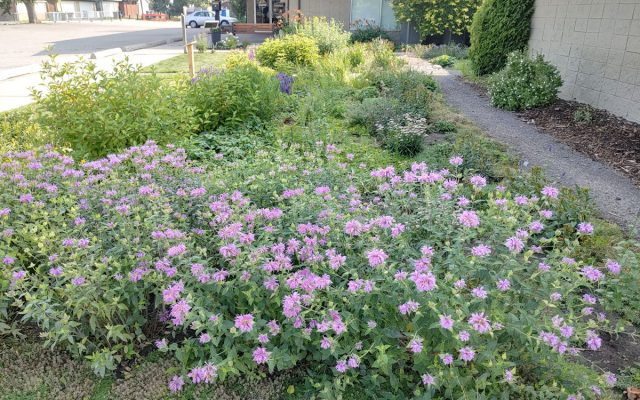
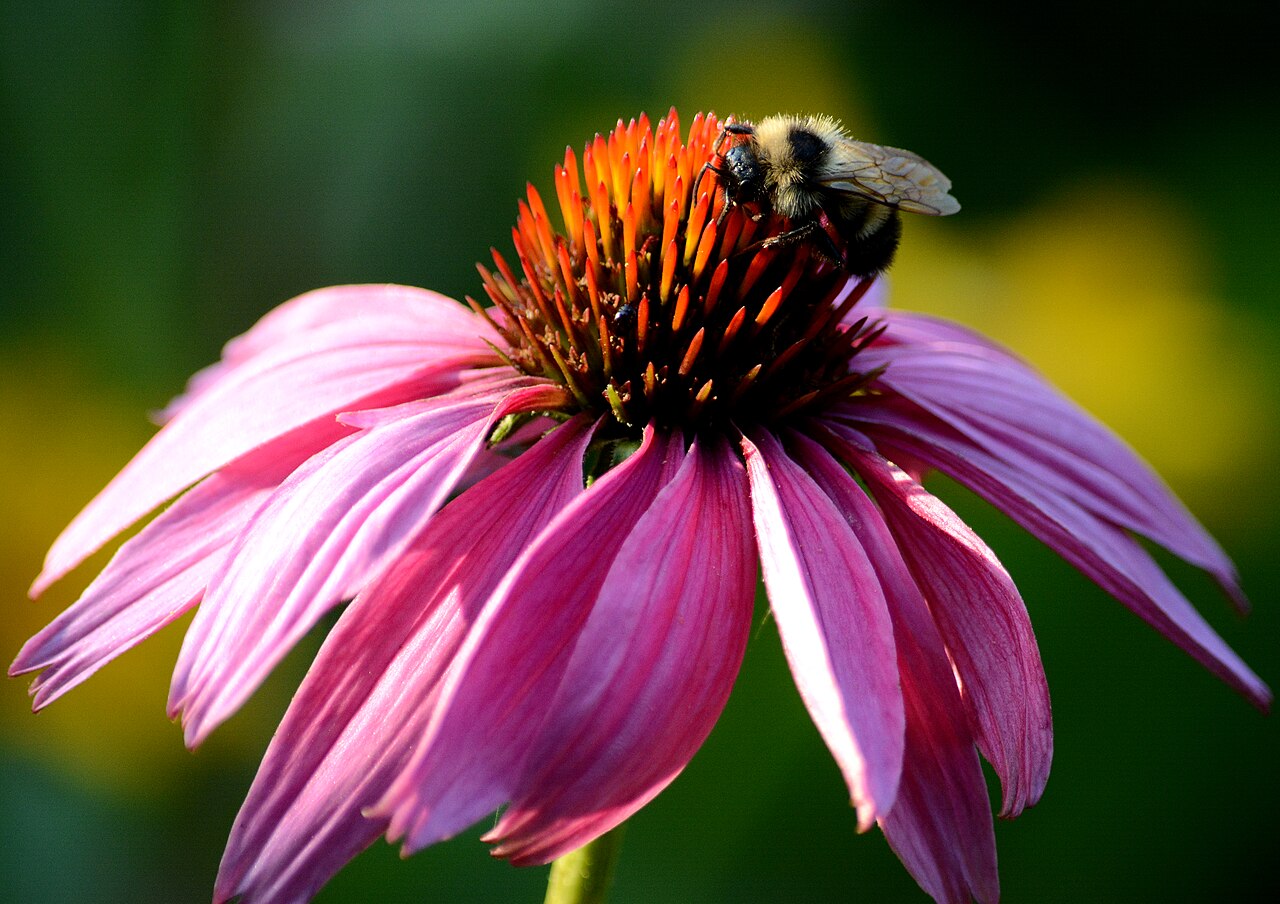
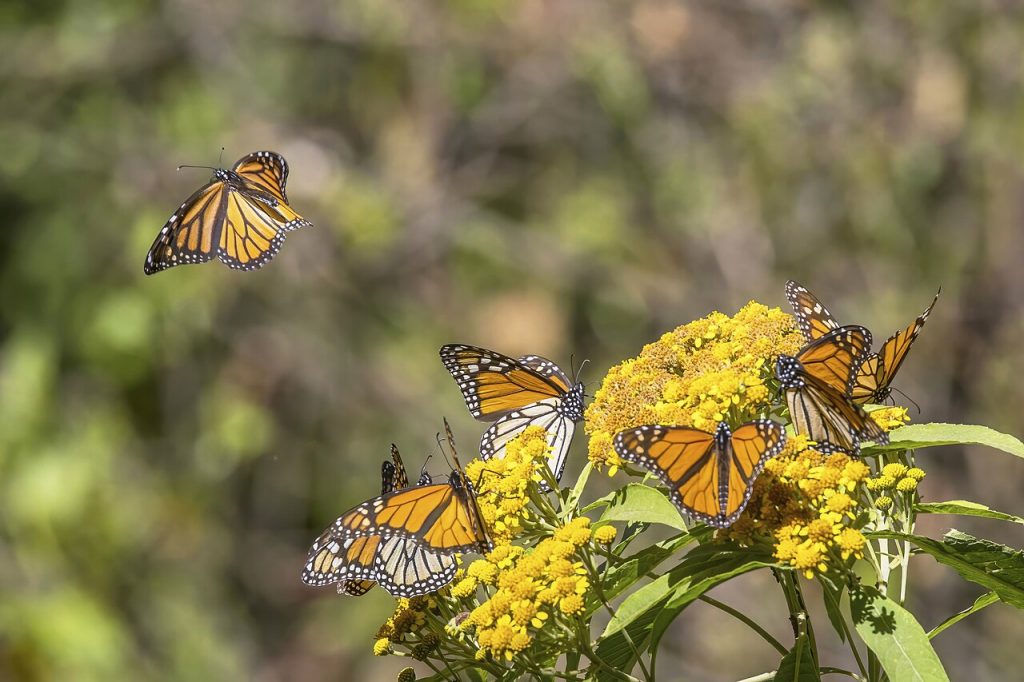
Stand in a typical Fox Valley backyard in July and you will see a lot of green and very little life. Turf grass, a few nonnative shrubs and some annuals from the garden center look tidy, but they offer almost nothing to the native bees, butterflies, moths and birds that evolved alongside Wisconsin’s prairies, oak savannas and wetlands. Swap even a corner of that lawn for native plants and the difference is visible within a season: bumble bees working bergamot, monarchs laying eggs on milkweed, goldfinches pulling seeds from coneflower heads in September.
This guide is for Fox Cities homeowners and renters who want to rewild part of their yard without starting a feud with the neighbors or the village weed inspector. It covers why natives matter, which plants work here, how to convert lawn step by step, and how to create habitat that lasts through a northeast Wisconsin winter.
Why native plants matter for pollinators
Many pollinators can sip nectar from almost any flower. The bottleneck is reproduction. Many native bees collect pollen from only a narrow group of plants, and the caterpillars of most butterflies and moths can eat only the specific plants they evolved with. Those caterpillars are also the main food that songbirds feed their nestlings. A yard of nonnative ornamentals may look lush, but it can be a food desert for the next generation.
Wisconsin is home to hundreds of native bee species, from big fuzzy bumble bees to tiny sweat bees most people never notice. One, the rusty patched bumble bee, was listed as federally endangered in 2017, and southern and eastern Wisconsin remain part of its range. UW–Madison Extension’s pollinator resources are a helpful place to learn more about supporting native bees at home.
Monarchs and milkweed
Monarch caterpillars can eat only milkweed. The Wisconsin DNR counts 13 native milkweed species in the state, five of them endangered or threatened, and the agency named milkweed its plant species of the year in 2025. The eastern monarch population has declined sharply over recent decades, and the U.S. Fish and Wildlife Service proposed listing the monarch as threatened in December 2024; check the agency’s site for the current status of that decision. Wisconsin monarchs breed here all summer, and the last generation of the season migrates to Mexico in late summer and fall, fueling up on late-blooming asters, goldenrods and blazing stars along the way.
Read your yard before you plant
The most common reason native plantings fail is a mismatch between plant and site. Spend a little time observing first.
- Sun. Most prairie plants need six or more hours of direct sun. Shady yards suit woodland natives such as wild geranium, columbine and Pennsylvania sedge.
- Soil. Many Fox Cities yards sit on heavy, reddish clay left behind by glacial lakes, often compacted by construction. Clay holds nutrients and water well but drains slowly. Choose clay-tolerant species and do not try to “fix” it with sand, which can make it worse.
- Moisture. Note where water pools after a storm and where the soil dries out fast. Wet spots suit swamp milkweed, Joe-Pye weed and blue flag iris; a low area can even become a rain garden.
- Size and visibility. A front-yard bed sends a different message to neighbors than a back corner. Start where you can maintain it well.
Native plants that work in the Fox Valley
The table below lists reliable, widely available Wisconsin natives arranged roughly by bloom time. Aim to have at least two or three species blooming in each season.
| Plant | Light and soil | Bloom | Why it is worth growing |
|---|---|---|---|
| Pussy willow (Salix discolor) | Sun, moist to wet | March to April | One of the earliest pollen sources for queen bumble bees |
| Wild columbine (Aquilegia canadensis) | Part shade, dry to medium | May to June | Early nectar for hummingbirds and bumble bees |
| Prairie smoke (Geum triflorum) | Sun, dry to medium, well drained | April to May | Early bumble bee flower; feathery seed heads |
| Golden Alexanders (Zizia aurea) | Sun to part shade, medium to moist, clay tolerant | May to June | Small native bees; host for black swallowtail caterpillars |
| Wild geranium (Geranium maculatum) | Part shade, medium | May to June | Woodland edge favorite for many bees |
| Butterfly weed (Asclepias tuberosa) | Full sun, dry to medium, well drained | June to August | Monarch host; bright orange nectar plant |
| Swamp milkweed (Asclepias incarnata) | Sun, medium to wet, clay tolerant | July to August | Monarch host that stays put better than common milkweed |
| Wild bergamot (Monarda fistulosa) | Sun, dry to medium, clay tolerant | July to August | Bumble bee magnet; fragrant leaves |
| Joe-Pye weed (Eutrochium maculatum) | Sun to part shade, moist | July to September | Tall nectar plant for butterflies |
| Prairie blazing star (Liatris pycnostachya) | Sun, medium to moist, clay tolerant | July to August | Butterflies and bees; showy purple spikes |
| Showy goldenrod (Solidago speciosa) | Sun, dry to medium | August to October | Late nectar; clump-forming, not aggressive |
| New England aster (Symphyotrichum novae-angliae) | Sun, medium to moist, clay tolerant | September to October | Key fall fuel for migrating monarchs and late bees |
| Little bluestem and prairie dropseed | Sun, dry to medium | Grasses | Structure, winter interest, nesting cover |
Converting lawn to native planting, step by step
You do not need to dig up the whole yard. A 100-square-foot bed is a fine start and is easy to maintain. Here is a reliable sequence that fits the Fox Valley calendar.
- Choose and mark the site (late summer). Pick a sunny spot you see often. Outline it with a hose or rope, and favor curved, defined edges that look intentional.
- Kill the turf without chemicals (fall). Mow short, then cover the area with overlapping cardboard (tape and labels removed) and 3 to 4 inches of shredded leaves or wood chip mulch. By spring the grass underneath will be dead and the soil softer. Avoid tilling, which brings buried weed seed to the surface.
- Plan your plant list (winter). Pick 8 to 15 species across spring, summer and fall bloom, matched to your sun and soil. Plan to plant in groups of three to five of each species rather than one of everything.
- Plant plugs or potted plants (spring or early fall). Cut through the cardboard, plant at the same depth as the pot, and space most plants about 12 to 18 inches apart. Dense planting crowds out weeds.
- Water the first season. Water deeply once or twice a week for the first month and during dry spells through the first summer. After that, established natives rarely need watering.
- Weed patiently for two years. Pull weeds while they are small, especially in the first two growing seasons. Natives spend those years building deep roots. The saying goes: first year they sleep, second year they creep, third year they leap.
- Leave it standing through winter. Skip the fall cleanup. Cut stems back in spring once temperatures are reliably warm.
Rethinking the lawn: from No Mow May to Slow Mow Summer
Appleton has a special place in the pollinator story. In 2020, after encouragement from Lawrence University researcher Israel Del Toro, Appleton became the first U.S. city to adopt No Mow May, and the idea spread to communities across Wisconsin and the country. Over time, problems emerged: lawns grew too tall in warm springs, the program covered only one month, and some neighbors objected. Appleton and several other Fox Valley communities, including Kaukauna, have since shifted to Slow Mow Summer.
The Slow Mow guidelines are simple: raise your mower deck to 4 inches, mow when grass reaches about 6 inches, and mow in the late afternoon when pollinators are less active. Letting clover, self-heal and violets bloom in the lawn feeds bees all season. Local tall grass ordinances still apply; in Appleton, the limit has been 8 inches on developed lots. Check your own municipality’s rules before letting a lawn grow tall.
Habitat beyond flowers
Flowers are only part of the picture. Pollinators also need places to nest, overwinter and find water, and they need a yard free of chemicals that harm them.
Nesting sites
Most native bees nest in the ground, often in bare, sunny, well-drained patches of soil. Leave a few small areas unmulched. Many others nest in hollow or pithy stems; when you cut back in spring, leave stems standing about 12 to 18 inches tall so new nests can form in them.
Leave the leaves
Bumble bee queens, many moths and butterflies, and countless beneficial insects overwinter in leaf litter. Rake leaves off the lawn into garden beds instead of bagging them. Keeping leaves out of the street also keeps phosphorus out of storm drains that lead to the Fox River and Lake Winnebago.
Shrubs and trees
Native trees and shrubs support far more insect life than most ornamentals. Research by entomologist Doug Tallamy found that native oaks host hundreds of species of caterpillars. Serviceberry, nannyberry, gray dogwood, ninebark and a bur or white oak give birds food and shelter, and flowering shrubs bridge gaps in bloom.
Skip the pesticides
Broad-spectrum insecticides kill pollinators along with pests, and lawn weed killers wipe out the clover and violets bees use. Accept some chewed leaves; a caterpillar-damaged milkweed means your habitat is working.
Invasive plants to remove
Some of the most common landscape plants in older Fox Valley neighborhoods are invasive, and they spread into parks, woodlands and riverbanks. Wisconsin regulates invasive species under the DNR’s NR 40 rule, which sorts them into prohibited species (control is required) and restricted species (you may not sell, transport or introduce them, and control is encouraged).
- Common and glossy buckthorn. Dense shrubs that shade out everything beneath them. Cut and treat stumps, or pull small plants when the soil is moist.
- Nonnative bush honeysuckles. Tatarian, Amur, Morrow’s and Bell’s honeysuckle leaf out early and crowd out native understory.
- Garlic mustard. A spring woodland invader. Pull before it sets seed and bag it for the trash.
Before you plant anything new, check it against the NR 40 list, and replace removed invasives with natives so the gap does not refill with weeds.
Keeping the peace with neighbors
A native planting that looks cared for wins converts. One that looks abandoned invites complaints. A few simple practices help:
- Keep a mown strip or clean edge between the planting and the lawn or sidewalk.
- Add a path, bench, birdbath or small sign that says “pollinator garden” to show intent.
- Keep plants back from sidewalks, driveways and corners where they could block sight lines.
- Share extra plants and seeds with neighbors. Conversations over a fence have converted plenty of lawns.
Next steps
Native plants pair naturally with other yard projects that protect local water and soil.
- Turn a soggy spot into habitat with our rain garden and rain barrel guide, and capture roof water for your plantings with the Rain Barrel Kit.
- Learn how yard care affects the river and lake in Protecting the Fox River and Lake Winnebago.
- Build soil for new beds with backyard composting.
Frequently asked questions
When is the best time to plant native plants in the Fox Valley?
Potted plants and plugs do well when planted in spring after the soil can be worked, or in early fall, about six weeks before the ground freezes. Seed is often sown in late fall or early winter (dormant seeding), because many native seeds need a cold, moist period to germinate.
Will native plants grow in heavy clay soil?
Yes, many do. Swamp milkweed, wild bergamot, New England aster, prairie blazing star, Joe-Pye weed and several goldenrods tolerate clay. Choose species matched to your site’s moisture, avoid working clay when it is wet, and skip heavy fertilizing, which mostly benefits weeds.
How many milkweed species are native to Wisconsin?
The Wisconsin DNR counts 13 native milkweed species, five of which are endangered or threatened in the state. For home gardens, common milkweed, swamp milkweed and butterfly weed are the easiest to find and grow, and all serve as host plants for monarch caterpillars.
Does Appleton still do No Mow May?
Appleton was the first U.S. city to adopt No Mow May in 2020 but has since shifted to Slow Mow Summer, which encourages mowing at a 4-inch deck height when grass reaches about 6 inches, mowing in late afternoon, and planting natives. Local tall grass and weed ordinances still apply, so check your municipality’s rules.
Do I need to cut my garden back in fall?
No, and it is better for wildlife if you do not. Many native bees nest in hollow stems, and butterflies, moths and other insects overwinter in leaf litter. Leave stems and leaves through winter, then in spring cut stems to roughly 12 to 18 inches so new bees can nest in them.