Key takeaways
- Composting turns kitchen scraps and yard trimmings into free soil amendment and keeps organic material out of the trash.
- The basic recipe is about two to three parts “browns” (dry leaves, cardboard) to one part “greens” (food scraps, fresh grass), kept as damp as a wrung-out sponge.
- You can compost straight through a Fox Cities winter: a lidded bin and a stockpile of fall leaves are all you need.
- Most problems (smells, flies, a pile that will not heat up) come from too much or too little moisture, air or browns, and are easy to fix.
- Small home compost piles are not regulated by the state, but check your city or village rules on placement and pests.
Every October the Fox Cities produce a small mountain of leaves. Maples, oaks and ashes along the streets of Appleton, Neenah, Menasha and Kaukauna drop their load, and most of it gets raked to the curb or hauled to a drop-off site. Meanwhile, through the rest of the year, the average kitchen sends a steady stream of coffee grounds, vegetable peels and apple cores to the garbage can. Backyard composting puts those two waste streams together and turns them into something your garden actually wants: dark, crumbly, sweet-smelling compost.
This guide is written for northeast Wisconsin conditions. That means heavy clay soils in much of the Valley, short but warm summers, and winters when a compost pile will freeze into a solid block. None of that stops you from composting. It just changes the rhythm.
Why compost in the Fox Cities?
Composting is one of the few household sustainability habits that pays you back in a physical product. Here is what it does for you and for the region.
It keeps useful material out of landfills
Wisconsin law already prohibits landfilling yard materials such as leaves, grass clippings and small brush, which is why your municipality runs separate yard waste collection or drop-off sites. Food scraps, however, still mostly end up in the trash. When food breaks down in a landfill without oxygen it produces methane, a potent greenhouse gas. In a backyard pile, with oxygen present, the same scraps become humus and carbon dioxide instead.
It improves heavy Valley soils
Many yards in the Fox Cities sit on dense clay that drains slowly and cracks in August. Compost is the single best long-term fix: it opens up clay, helps sandy soils hold water, feeds soil life and supplies a slow, gentle dose of nutrients. Better soil also soaks up more rain, which reduces the runoff that carries phosphorus toward the Fox River and Lake Winnebago.
It saves money, too: every wheelbarrow of finished compost is one you do not have to buy.
Choosing a composting system
There is no single right bin. Pick the one that fits the amount of material you generate, how much effort you want to spend and how visible the pile will be to neighbors.
| System | Best for | Effort | Winter notes |
|---|---|---|---|
| Open pile | Large lots with lots of leaves | Low to moderate | Freezes; fine for leaves, less tidy for food scraps |
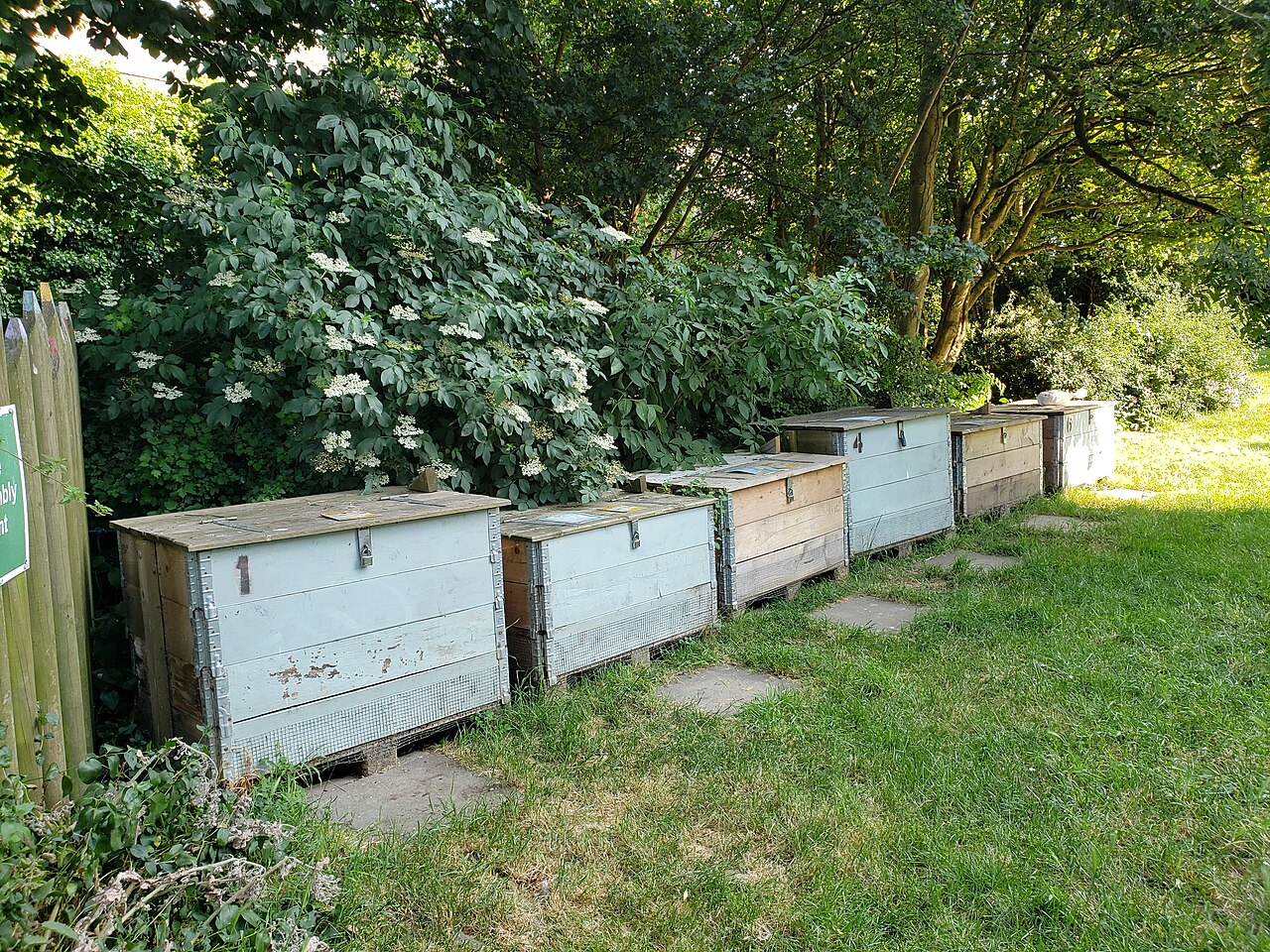
| Single enclosed bin (plastic or wood, with lid) | Most city and suburban yards | Low | Keeps scraps contained and animals out while frozen |
| Two- or three-bay wooden bin | Avid gardeners, big households | Moderate to high | One bay can hold a winter leaf stockpile |
| Tumbler | Small yards, people who dislike forking | Moderate | Small volume freezes fast; hard to turn when frozen |
| Indoor worm bin (vermicomposting) | Apartments, winter food scraps | Moderate | Works year-round at room temperature |
| Trench or pit composting | Vegetable gardens | Low | Dig trenches in fall before the ground freezes |
For most Fox Cities households, a single lidded bin of roughly a cubic yard, plus a pile or bin of stored leaves beside it, is the sweet spot. Extension horticulture guidance suggests bins at least three feet high, wide and deep so the pile can hold heat. A three-bay system lets you build a new pile in one bay, turn it into the next, and keep finished compost in the third.
The recipe: browns, greens, air and water
Compost is made by bacteria, fungi and small invertebrates. Keep them happy and the pile does the work for you. They need four things in balance.
Browns (carbon)
Dry leaves, straw, shredded plain cardboard, brown paper bags, wood chips and dead plant stalks. Browns provide energy for microbes, add structure so air can move through the pile and absorb odors. In the Fox Cities, fall leaves are your main brown, and they are free.
Greens (nitrogen)
Fruit and vegetable scraps, coffee grounds and paper filters, paper tea bags, fresh grass clippings, garden trimmings and crushed eggshells. Greens provide the protein microbes need to multiply, and they heat the pile up.
The ratio
The U.S. EPA suggests roughly two to three times as much brown material as green by volume, and covering fresh food scraps with four to eight inches of leaves or other browns. Do not get hung up on exact math. If the pile smells sour or ammonia-like, add browns. If it sits cold and dry for weeks, add greens and water.
Air and water
The pile should feel like a wrung-out sponge: damp throughout, never dripping. Turning or fluffing the pile with a fork every week or two adds oxygen and speeds things up. A lid helps keep a Wisconsin downpour from waterlogging it.
What to leave out of a backyard pile
- Meat, fish, bones, dairy, fats and oils (they attract animals and can smell)
- Pet waste and cat litter
- Diseased plants, invasive weeds and weeds that have gone to seed
- Plants or grass recently treated with herbicides
- Treated or painted wood, glossy paper and produce stickers
- “Compostable” plastic cups, cutlery and bags, which generally need a commercial facility
Step by step: building your first pile
- Check local rules. The Wisconsin DNR says small home composting under 50 cubic yards is not regulated by the state, but your city or village may have rules on bin location, setbacks or rodent control. A quick look at your municipal code saves headaches.
- Pick a level, well-drained spot. Partial shade is ideal. Keep it a few feet from fences and wooden structures and close enough to the house that you will use it in winter.
- Start with a coarse base. Lay down four to six inches of twigs, corn stalks or wood chips so air can move under the pile.
- Layer browns and greens. Alternate a thick layer of leaves with a thinner layer of kitchen scraps or fresh trimmings. Always finish with browns on top.
- Add water as you build. Dry leaves especially need a good soaking. Squeeze a handful: a few drops is right.
- Collect scraps conveniently. Keep a small lidded container on the counter and empty it every few days. Chop large items like melon rinds or broccoli stems to speed decomposition.
- Turn or fluff every week or two. Move the outside material to the center. If the pile is steaming in cool weather, it is working.
- Harvest when it looks like soil. Finished compost is dark, crumbly and smells earthy, and you can no longer recognize the original materials. Let it cure for a few weeks before using it around tender plants.
Composting through a Wisconsin winter
This is where most guides written for warmer places fall short. In the Fox Cities, the active composting season runs roughly from April into November. From December through March, a backyard pile will cool down and, in most years, freeze. That is fine. Your goal in winter is not fast decomposition. It is simply to keep food scraps out of the garbage until spring.
Stockpile leaves in fall
The single most useful thing you can do is save several bags, or a wire-ring bin, of dry leaves in October and November. Winter is when you generate lots of kitchen greens and almost no browns, so a leaf stockpile beside the bin lets you keep covering scraps all season. Keep a bag or two in the garage where they will not freeze into one block.
Fatten the pile before the freeze
A large pile holds heat longer. In late fall, combine smaller piles, add a generous load of leaves and the last grass clippings, and give it a final turn. Some gardeners ring the bin with bagged leaves or straw bales as insulation, which can keep the center working into December.
The winter routine
Through the cold months, keep emptying the kitchen container into the bin and covering each deposit with a few handfuls of leaves. Scraps will freeze in layers. You do not need to turn the pile. Shovel a path to the bin after storms, and you are done. If the bin fills up, start a second frozen heap beside it or store scraps in a lidded bucket in the garage for a few weeks.
Consider a worm bin indoors
Vermicomposting with red wiggler worms in a plastic tote works at room temperature all year and is a good fit for apartments or for households that want to keep composting food scraps actively through January. Worms prefer fruit and vegetable scraps, coffee grounds and shredded paper bedding. Keep it moist, not wet, and do not overfeed.
Spring thaw
When the pile thaws in late March or April, it will be soggy and full of half-broken scraps. Freeze-thaw cycles have ruptured the plant cells, so decomposition takes off quickly. Mix in dry leaves from your stockpile, turn it thoroughly, and the pile will usually be hot within a week or two of warm weather.
Troubleshooting common problems
| Symptom | Likely cause | Fix |
|---|---|---|
| Rotten-egg or sour smell | Too wet, not enough air | Turn the pile, mix in dry leaves or shredded cardboard, add a lid |
| Ammonia smell | Too many greens | Add browns and turn |
| Pile will not heat up (in warm months) | Too dry, too small or too few greens | Water it, build it to at least a cubic yard, add fresh scraps or grass |
| Fruit flies | Exposed food scraps | Bury scraps under four to eight inches of browns; keep the kitchen caddy lidded |
| Animals digging | Meat, dairy or exposed scraps | Remove problem foods, use a lidded bin, add hardware cloth underneath |
| Matted, slimy grass layer | Thick layer of fresh clippings | Add clippings in thin layers mixed with leaves, or leave most clippings on the lawn |
| Seedlings sprouting in compost | Pile did not get hot enough to kill seeds | Keep weed seeds and tomato fruit out, or pull sprouts when you spread compost |
Using your finished compost
Finished compost is a soil amendment, not a fertilizer bag, so use it generously but sensibly.
- Vegetable and flower beds: Work one to two inches into the top few inches of soil each spring, or spread it as a top dressing in fall and let worms pull it in.
- Lawns: Screen compost through half-inch hardware cloth and rake a quarter inch over thin areas in late summer before overseeding.
- Trees and shrubs: Spread a thin layer out to the drip line, then mulch over it.
- Potting mixes: Blend screened compost with other ingredients rather than using it straight, which can be too dense for containers.
Rich compost contains phosphorus, so do not pile it on more than plants need, and never spread it on frozen ground or near storm drains where melt water can carry it to the river.
Fox Cities resources for composters
Leaves you cannot use
Even dedicated composters end up with more leaves than they can handle. Mowing leaves into the lawn with a mulching mower is the easiest option. Beyond that, use your community’s yard waste program. The City of Appleton, for example, operates residential yard waste drop-off sites with seasonal hours, and most Fox Cities municipalities offer either curbside leaf pickup or drop-off. Rules about raking leaves into the street differ from one community to the next, so check your city or village website each fall.
Learn more
The U.S. EPA’s composting at home guide has clear lists of what to add and avoid. The Wisconsin DNR composting page explains the state’s yard materials rules. UW-Madison Extension also publishes practical composting guidance, including its horticulture article on recycling yard waste, and Dane County Extension offers a free, self-paced Wisconsin Composting Stewards course for people who want to go deeper and teach others.
Compost with your neighbors
Composting spreads fastest by example. A block where three or four households compost can share a leaf stockpile, borrow a pitchfork and swap advice. If your neighborhood runs a study circle, a session on food waste and composting is an easy, hands-on topic to start with.
Next steps
- Ready to start? Our Backyard Composter Kit bundles a bin with a simple setup guide.
- Pair composting with less waste overall using our guide to zero-waste habits that actually stick.
- Find more practical projects for your home on our Households and Neighborhoods page.
Frequently asked questions
Can I compost in the Fox Cities during winter?
Yes. A pile will usually freeze solid in January, but you can keep adding food scraps to a lidded bin and covering them with stored leaves. Freezing does no harm: the scraps break down quickly once the pile thaws in spring, and freeze-thaw cycles actually help soften them.
Do I need a permit to compost in my backyard?
The Wisconsin DNR says there are no state regulations on small home composting operations under 50 cubic yards, which covers any normal backyard bin. Cities and villages can still have rules about bin placement, rodents or nuisances, so check your local ordinances before you build.
Will a compost bin attract rats or raccoons?
A well-managed bin rarely does. Keep meat, fish, dairy, fats and cooked food out of a backyard pile, bury fresh scraps under several inches of leaves, and use a bin with a lid and, if needed, hardware cloth on the bottom.
How long does backyard compost take?
A hot, regularly turned pile with a good mix of browns and greens can be ready in two to four months during summer. A cold, mostly hands-off pile usually takes a year or more. Most Fox Cities households land in between, harvesting finished compost each spring or fall.
What should I do with leaves I cannot compost?
Mow some into your lawn, use some as mulch on garden beds, and store bags of dry leaves as a winter supply of browns. Whatever is left can go to your municipal yard waste program, because Wisconsin law prohibits landfilling yard materials.