Key takeaways
- In most Fox Cities neighborhoods, curbside storm drains carry runoff to creeks and the Fox River without treatment.
- Phosphorus and sediment are the region’s main water quality problems, feeding algae blooms in Lake Winnebago and the bay of Green Bay.
- Keeping fall leaves out of the street is one of the most effective things a household can do for urban water quality.
- Skip phosphorus lawn fertilizer, sweep spills off pavement and never fertilize frozen ground: Wisconsin law requires all three.
- Redirect downspouts, add a rain barrel or rain garden and use less road salt to keep pollutants at home and out of the river.
If you live in Appleton, Neenah, Menasha, Kaukauna, Kimberly, Little Chute or Oshkosh, you live on top of a plumbing system that most people never think about. When it rains or the snow melts, water runs off roofs, driveways, lawns and streets, collects in the gutter and disappears into a storm drain. In most Fox Cities neighborhoods, those drains are not connected to the wastewater treatment plant. They empty into ditches, ponds, creeks and, eventually, the Fox River or Lake Winnebago.
That makes every yard a small piece of the watershed. The good news is that the household fixes are simple, cheap and, in many cases, seasonal habits you can pick up in an afternoon.
How water moves through the Fox Valley
One connected system
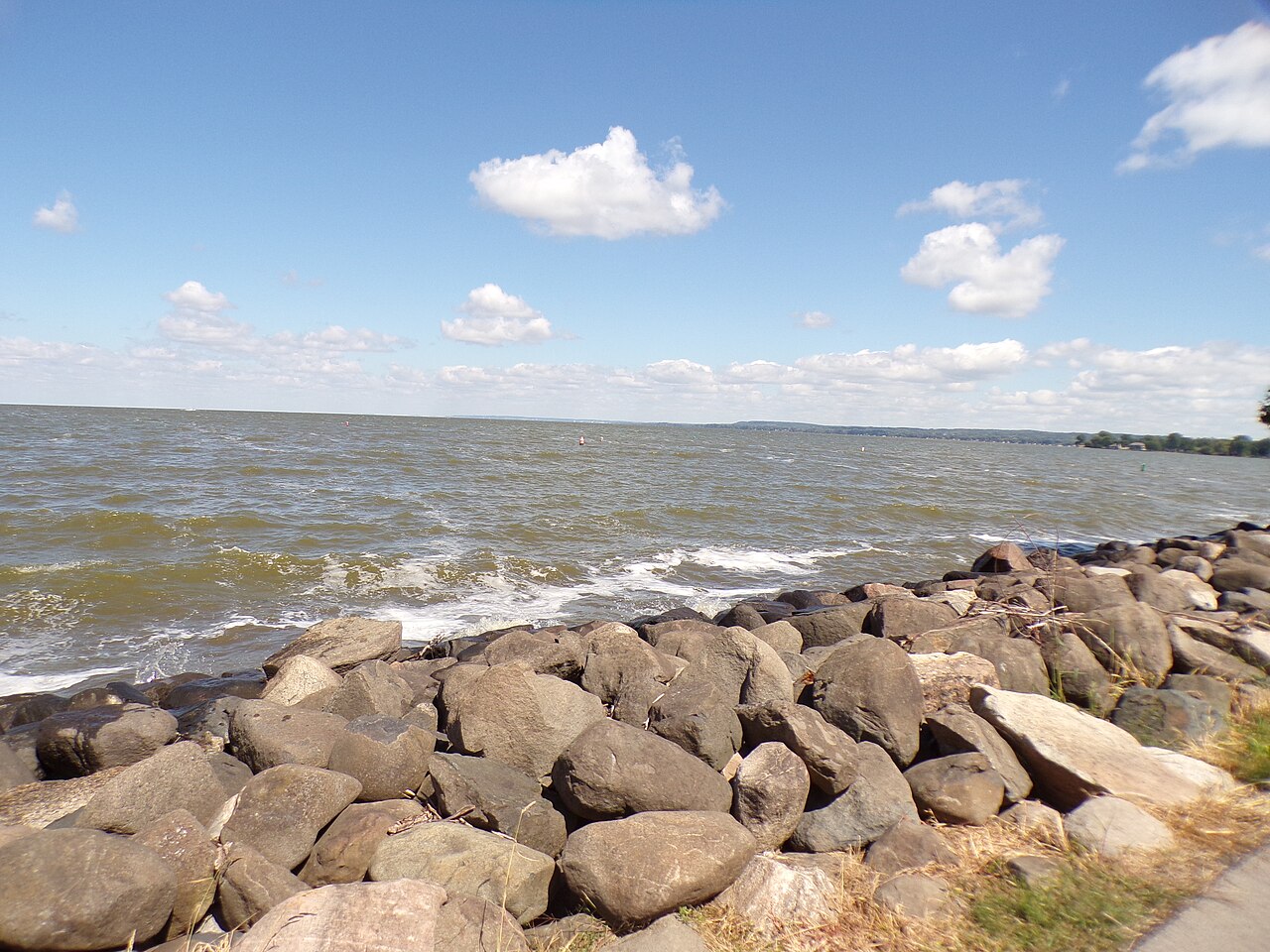
Lake Winnebago, Wisconsin’s largest inland lake at more than 138,000 acres, is fed by the Upper Fox and Wolf rivers through the Winnebago Pool lakes. It is also strikingly shallow, averaging about 15.5 feet deep, which means it warms quickly in summer. From the lake’s north end at Neenah and Menasha, the Lower Fox River flows about 39 miles north through the Fox Cities and De Pere to the bay of Green Bay and, ultimately, Lake Michigan.
A river with a cleanup plan
The Lower Fox River basin, roughly 640 square miles between Lake Winnebago and Green Bay, is covered by a federally approved cleanup plan known as a Total Maximum Daily Load, or TMDL. According to the Wisconsin DNR’s Lower Fox River TMDL page, the plan targets two pollutants, total phosphorus and total suspended solids (sediment), and calls for reducing them by 59 percent and 55 percent respectively. Wastewater plants, farms and 29 regulated municipal stormwater systems all have reduction targets. Cities meet theirs partly with ponds, street sweeping and engineered practices, but what happens in individual yards adds up too.
What is in runoff?
- Phosphorus from leaves, grass clippings, fertilizer, pet waste and eroding soil
- Sediment from bare soil, construction sites and eroding banks
- Chloride from road and sidewalk salt
- Bacteria from pet and wildlife waste
- Oil, metals and soap from vehicles and driveway car washing
- Trash, especially plastic, that washes from streets and parking lots
Why phosphorus is the big one
Phosphorus is a nutrient. In a lake it acts like fertilizer for algae. When too much arrives, algae and cyanobacteria (blue-green algae) multiply into green, scummy blooms. Blooms block sunlight, use up oxygen when they die and decompose, and some produce toxins that can sicken people and pets. Shallow, warm, nutrient-rich water like Lake Winnebago in late summer is ideal bloom territory, and health officials in the region regularly issue algae advisories.
The Wisconsin Department of Health Services sums up its advice in four words: when in doubt, stay out. You cannot tell by looking whether a bloom is toxic, so keep people and dogs out of pea-soup-colored or scummy water, rinse off after swimming, and keep dogs from drinking lake water or licking algae off their fur.
Much of the phosphorus entering the Lower Fox comes from agricultural land, and farmers across the watershed are working on that. Urban areas contribute their share as well, and that is where households have direct control.
Where runoff starts at your house
| Source at home | Main pollutant | Household fix |
|---|---|---|
| Leaves and grass in the gutter | Phosphorus | Rake or mulch leaves before rain; blow clippings back onto the lawn |
| Lawn fertilizer | Phosphorus, nitrogen | Use phosphorus-free fertilizer; sweep spills off pavement; never apply to frozen ground |
| Downspouts aimed at the driveway | Everything on the pavement | Redirect onto lawn or into a rain barrel or rain garden |
| Bare soil and garden beds | Sediment, phosphorus | Mulch, plant ground cover, cover soil piles |
| Winter salt | Chloride | Shovel first, use less salt, sweep up leftovers |
| Pet waste | Bacteria, phosphorus | Bag it and put it in the trash |
| Driveway car washing, oil drips | Soap, oil, metals | Wash on the lawn or at a car wash; fix leaks; use kitty litter on spills |
Fall leaves: the most underrated fix
This one surprises people. Leaves seem natural, so how can they be a pollutant? The answer is location. A leaf that falls in the woods decomposes in place and its nutrients stay in the soil. A leaf that lands in the gutter sits in a pool of water on hard pavement, steeps like a tea bag and sends phosphorus straight down the storm drain.
Research from the U.S. Geological Survey in Madison found that when leaves were not removed from streets, fall leaf litter accounted for 56 percent of the year’s phosphorus load in urban stormwater. Where streets were cleared of leaves before rain, phosphorus in stormwater dropped by more than 80 percent. Few household actions offer that kind of payoff.
What to do each fall
- Keep the gutter and the storm drain in front of your house clear of leaves, especially before a forecast rain.
- Mow leaves into the lawn with a mulching mower, or rake them into garden beds or a compost pile.
- Follow your municipality’s leaf collection rules. Some Fox Cities communities ask residents to rake leaves to the curb for vacuum trucks during set weeks, while others prefer bags or drop-off. Pile leaves at the curb only when your city says to, and never in the gutter flow line.
- Offer to help neighbors who cannot rake. A clear block drains cleaner than a clear yard.
Lawn and garden care that protects the lake
Know Wisconsin’s fertilizer rules
Wisconsin’s turf fertilizer law, enforced by the Department of Agriculture, Trade and Consumer Protection, restricts applying lawn fertilizer that contains phosphorus. You can tell by the middle number of the N-P-K label: it should be zero. There are two exceptions, when establishing a new lawn from seed or sod, or when a lab soil test no more than 36 months old shows the turf is phosphorus-deficient. The law also prohibits applying any fertilizer to pavement (sweep or blow spills back onto the lawn, never hose them into the street) and to frozen ground.
Grow a lawn that holds water
- Mow high, around three inches, so roots grow deeper and the soil soaks up more rain.
- Leave clippings on the lawn; they return nitrogen for free.
- Get a soil test before fertilizing at all. Many established lawns in the Valley need little or no added phosphorus.
- If you fertilize, do it in fall rather than early spring, and never right before heavy rain.
- Consider converting a strip along the street, a slope or a wet corner to deep-rooted native plants. See our guide to native plants for Wisconsin yards.
Cover bare soil
Soil that washes off a garden bed or a construction project carries phosphorus with it and clouds the river. Mulch beds, seed or cover bare spots quickly, and tarp piles of topsoil or sand.
Driveways, cars and winter salt
Salt: a pollutant that never leaves
Chloride from road and sidewalk salt does not break down. It accumulates in streams, groundwater and lakes, where it harms fish and aquatic insects. The Wisconsin DNR notes that one teaspoon of salt is enough to make five gallons of water toxic to freshwater organisms, and that a 12-ounce coffee mug of salt is enough to treat a 20-foot driveway or about ten sidewalk squares. Salt also works poorly once pavement drops below about 15 degrees, which is common on January mornings in the Fox Valley.
- Shovel early and often; salt only what is left.
- Spread salt thinly, with gaps between grains, and sweep up any extra once the ice melts.
- On very cold days, use sand for traction instead.
- Look up Wisconsin Salt Wise, a statewide coalition with tips for homeowners and businesses.
Cars
Wash your car on the lawn with a small amount of biodegradable soap, or use a commercial car wash that treats or recycles its water. Fix oil and antifreeze leaks, and soak up drips with cat litter, then sweep it into the trash. Never pour anything into a storm drain, including used oil, paint or yard chemicals. Take them to your county’s household hazardous waste program.
Slow it down, spread it out, soak it in
The fundamental problem with urban runoff is hard surfaces: water that would have soaked into prairie or forest now races across roofs and pavement. Every gallon you soak into your own yard is a gallon that does not carry pollutants to the river.
- Redirect downspouts. Point them onto lawn or planting beds at least several feet from your foundation, not onto the driveway.
- Catch roof water. A rain barrel stores water for the garden and slows the first flush of a storm.
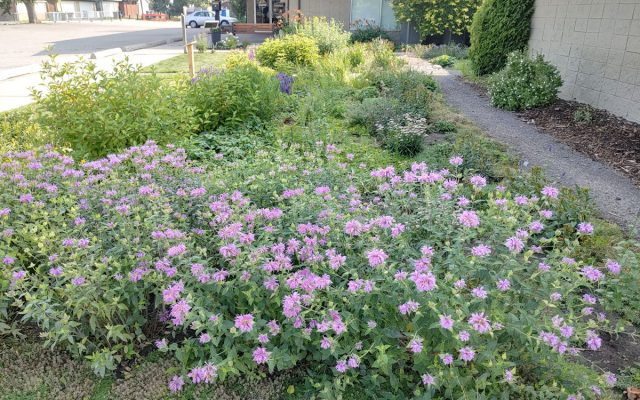
- Build a rain garden. A shallow, planted depression soaks up runoff from a roof or driveway within a day. The Wisconsin DNR says rain gardens capture about 30 percent more water than a typical lawn.
- Choose permeable surfaces. When replacing a patio or walkway, consider pavers set in gravel, or simply make it smaller.
Our step-by-step rain garden and rain barrel guide covers sizing, soil tests and plant choices for northeast Wisconsin.
A one-weekend runoff audit for your property
- Watch a rainstorm. Put on a raincoat and walk your property during a steady rain. Note where water leaves your lot and what it flows across.
- Find your storm drain. Locate the nearest curb inlet and look at what is collecting there: leaves, grass, sediment, litter.
- Trace every downspout. Mark which ones discharge onto pavement and which onto lawn or beds.
- Check the garage shelf. Read fertilizer labels for the middle number and set aside old chemicals for hazardous waste collection.
- Look for bare soil. Note eroding slopes, bare patches under trees and uncovered soil piles.
- Pick three fixes. Choose one quick habit (leaf and clipping cleanup), one weekend project (redirecting a downspout or adding a rain barrel) and one bigger goal (a rain garden or native planting).
- Tell a neighbor. Runoff does not respect property lines. A block that tackles this together sees real results.
Get involved beyond your yard
The Lower Fox has come a long way. The large-scale cleanup of PCB-contaminated sediment that the river’s paper mills left behind finished its in-river work in 2020 after years of dredging and capping. Today the focus is on nutrients and sediment, and residents can help directly.
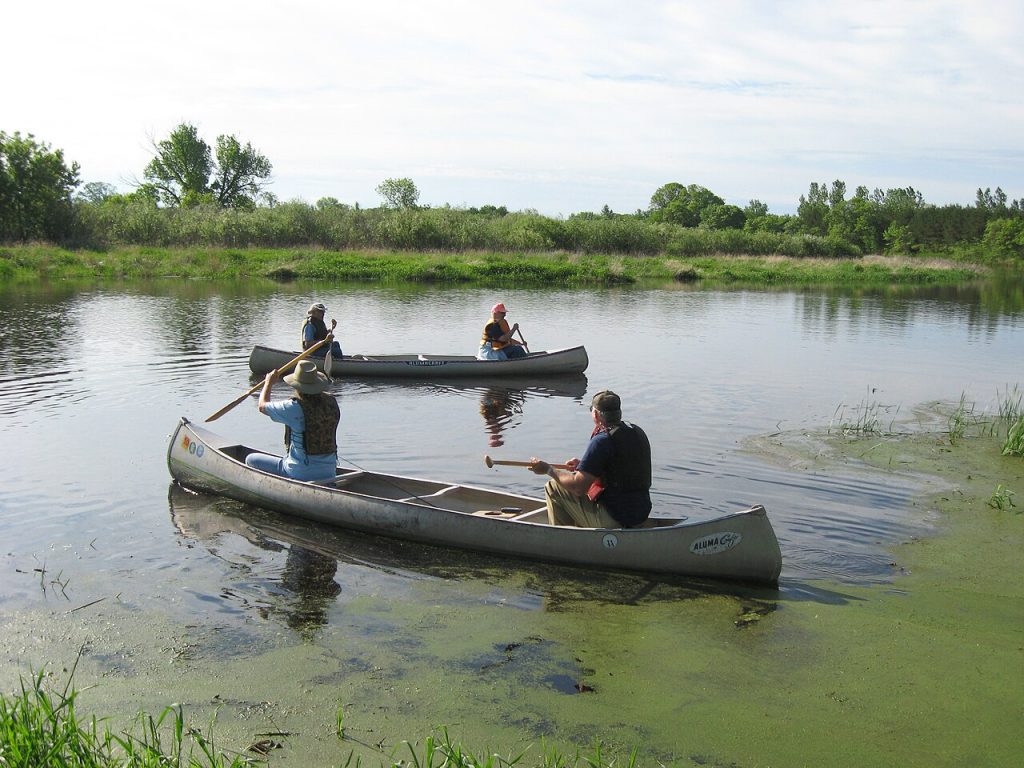
- Join a cleanup. The Fox-Wolf Watershed Alliance organizes an annual spring cleanup that in 2026 included more than 65 sites across the watershed. The Alliance also offers volunteer harmful algae monitoring and reporting on the Winnebago lakes.
- Watch your local process. Municipal stormwater plans, leaf collection schedules and shoreline projects come before city councils and village boards. Showing up and supporting good projects matters.
- Talk about it. A neighborhood study circle on water quality can turn a few interested households into a block-wide leaf cleanup or rain garden effort.
Next steps
- Build your own: follow our rain garden and rain barrel guide, or start simple with our 55-gallon Rain Barrel Kit.
- Turn leaves into an asset with Backyard Composting 101 for the Fox Cities.
- Explore more household projects on our Households and Neighborhoods page.
Frequently asked questions
Does water from my street storm drain get treated?
In most Fox Cities neighborhoods, no. Storm sewers are generally separate from the sanitary sewers that carry household wastewater to a treatment plant, so whatever washes into a curbside drain typically flows to a ditch, pond, creek or the river without treatment. Your municipality’s stormwater or public works department can tell you where your neighborhood drains.
Is it legal to use phosphorus lawn fertilizer in Wisconsin?
Only in limited cases. State law restricts applying turf fertilizer containing phosphorus unless you are establishing a new lawn or a lab soil test no more than 36 months old shows a phosphorus deficiency. The law also prohibits applying any fertilizer to pavement or to frozen ground.
Why do leaves in the street matter so much?
Leaves contain phosphorus. When they sit in the gutter and get rained on, they release it into storm drains. A U.S. Geological Survey study in Madison found that leaf litter accounted for more than half of the annual phosphorus load in urban stormwater when leaves were not removed, and that timely leaf removal cut that load by more than 80 percent.
Is it safe to swim in Lake Winnebago?
Often, yes, but blue-green algae blooms can occur in late summer. Wisconsin health officials advise: when in doubt, stay out. Avoid water that looks like pea soup or has surface scum, keep pets from drinking or swimming in it, rinse off after swimming, and check local health department notices.
How can I volunteer to help local waterways?
The Fox-Wolf Watershed Alliance organizes a large annual spring cleanup across dozens of sites in the watershed and runs other volunteer programs, including harmful algae monitoring on the Winnebago lakes. Check its website for current dates and sign-up details.