
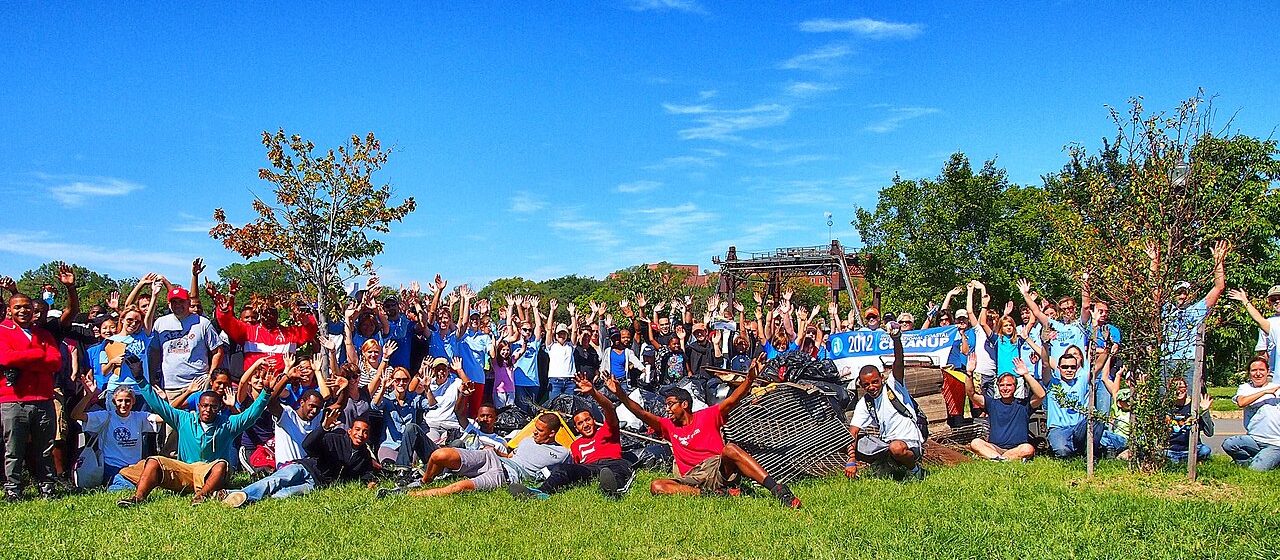
Our events are small on purpose. Most are designed for a dozen to a few dozen people, so there is time to ask questions, meet neighbors and leave with something to do. We announce specific dates, locations and sign-up details through our newsletter and on this page as they are confirmed. What follows is an overview of the recurring formats and the seasons when they typically happen in northeast Wisconsin.
Recurring event formats
Study circle series
A group of 6 to 12 people meets for four to six facilitated sessions, usually weekly or every other week. Each session follows a shared discussion guide on topics like home energy, local food, waste or neighborhood resilience, and the series ends with a simple action plan.
Typical season: Late fall through early spring, when long Wisconsin evenings make indoor conversation appealing.
Workshops
Hands-on sessions of one to three hours on practical skills: weatherizing a drafty house before winter, setting up a rain barrel, backyard composting, reading your utility bill or applying The Natural Step framework at work.
Typical season: Year-round, timed to the task. Weatherization topics in fall, composting and rain barrels in spring.
Cleanup days
Volunteer crews spend a morning collecting litter along riverbanks, park shorelines and storm-drain outlets that feed the Fox River and Lake Winnebago. Gloves, bags and a short safety briefing are provided.
Typical season: Spring after snowmelt exposes winter debris, and again in early fall.
Garden work days
Planting, weeding, mulching and seed-collecting at community gardens, rain gardens and native-plant beds. No experience needed; experienced gardeners are always welcome to share tips.
Typical season: May through October, with planting in late spring and fall cleanup and seed-saving at the end of the season.
Energy Challenge kickoff
The launch event for the Fox Cities Unplugged Energy Challenge: teams form, households learn how to pull a baseline from their bills, and everyone leaves with a starter action list and tracking sheet.
Typical season: Heading into the heating season, when savings show up quickly on gas and electric bills.
Community conversations
Occasional open evenings where residents, business owners and local officials can talk through a shared question, such as how a village might reduce energy costs in public buildings. These often grow into study circles or projects.
Typical season: As topics arise, most often in winter and spring.
At a glance: what happens when
| Season | Typical events | Good to know |
|---|---|---|
| Spring (March to May) | Shoreline and river cleanups, rain barrel and composting workshops, garden planning | Dress for mud and cold water; spring weather changes fast. |
| Summer (June to August) | Garden work days, native-plant walks, outdoor workshops | Bring water, sun protection and insect repellent. |
| Fall (September to November) | Weatherization workshops, fall cleanups, garden cleanup and seed-saving, Energy Challenge kickoff | A good time to tackle drafts before the first hard freeze. |
| Winter (December to February) | Study circle series, community conversations, online sessions | Some sessions move online when roads are bad. |
Get announcements
The easiest way to hear about new dates is our newsletter. We send it when there is something worth sharing, such as a new event, a new guide or Energy Challenge registration news, and you can unsubscribe at any time.
You can also check What’s New for recent articles and updates.
Host an event with us
Many of our events are hosted by neighbors, congregations, schools, libraries, businesses and community groups who have a room, a yard or a stretch of shoreline and a few people who care. If that sounds like you, we would love to help.
- Choose a format. Pick one of the formats above or describe your own idea. Study circles, workshops and work days are the easiest to host.
- Tell us the basics. Send us your proposed location, rough timing, expected group size and who the event is for using our event request form.
- Plan together. We will help with an agenda, materials, a facilitator or presenter where possible, and a safety checklist for outdoor events.
- Spread the word. We can list your event in our newsletter and on this page. You invite your own networks.
- Wrap up and share. After the event, send us a few notes on what worked so the next host can learn from you.
Accessibility and participation
We want every event to be welcoming. When we list an event, we describe the physical demands (for example, uneven riverbank terrain or standing for long periods), whether there is seating and accessible parking, and whether an online option is available. If you need an accommodation, let us know when you sign up and we will do our best to arrange it. Children are welcome at many events with a parent or guardian; we note any age limits in the listing.