
The Fox Cities Unplugged Energy Challenge grew out of the original Sustainable Fox Valley initiative, which announced it as an upcoming project to help households across Appleton, Neenah, Menasha, Kaukauna and the surrounding communities cut energy use together. The idea is simple: energy savings are easier, and more fun, when you are doing them with your neighbors. Over four to eight weeks, households form teams, measure where they started, take practical actions and see what changes on their bills.
No one has to buy solar panels or replace a furnace to take part. Most of the actions on our list cost little or nothing, and the habits stick long after the challenge ends.
How the challenge works
- Join a team. Teams are three to ten households: a block, a workplace group, a congregation, a school family group or a few friends. Each team picks a captain who collects progress updates. Solo households are welcome and can be matched with a team.
- Set your baseline. Pull out your gas and electric bills. Note your electricity use in kilowatt-hours (kWh) and your natural gas use in therms for the same weeks or billing periods last year. That is your starting point. We provide a simple worksheet to do this.
- Pick your actions. Choose from the action list below. Start with a few easy wins and add bigger projects if you have time. Each action you complete earns points for your team, so households of every size and budget can contribute.
- Track weekly. Once a week, read your meters or check your utility’s online account, note your use and record the actions you completed. Report your percentage change and actions to your captain.
- Compare fairly. At the end, we compare each household’s use to its own baseline, adjusted for weather where possible, so a small apartment and a large family home compete on equal footing.
- Celebrate. The challenge closes with a community celebration to share results, swap tips and recognize teams for the biggest percentage reduction, the most actions completed and the most creative idea.
The action list
These are typical actions with commonly cited estimates of impact. Actual savings depend on your home, your equipment and how you used energy before, so treat the figures as general ranges, not promises.
| Action | Effort and cost | Typical impact |
|---|---|---|
| Set the thermostat back 7 to 10°F for 8 hours a day (overnight or while away) | Free; a programmable or smart thermostat helps | The U.S. Department of Energy estimates savings of up to about 10% a year on heating and cooling |
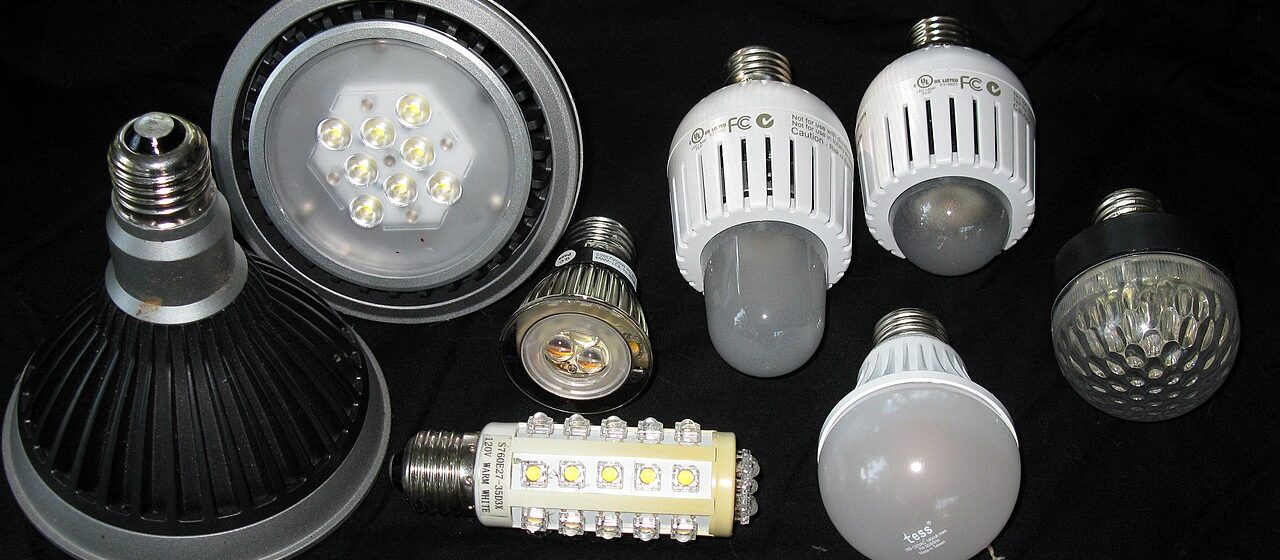
| Replace incandescent bulbs with LEDs | Low cost | LEDs use at least 75% less energy than incandescent bulbs for the same light |
| Wash clothes in cold water and air-dry when you can | Free | Most of a washer’s energy goes to heating water, so cold washes save much of that load |
| Unplug or use smart power strips for idle electronics | Free to low cost | Standby power is commonly estimated at roughly 5 to 10% of household electricity |
| Lower the water heater to about 120°F | Free | Modest water-heating savings and lower scald risk |
| Weatherstrip doors and caulk drafty windows | Low cost, a weekend afternoon | Fewer drafts and lower heating use; savings vary widely by home |
| Air seal and add attic insulation | Higher cost; check rebates | ENERGY STAR estimates average savings of about 15% on heating and cooling costs |
| Swap one car trip a week for walking, biking or a carpool | Free | Counts toward team points even though it does not show up on utility bills |
Sources and further reading: energy.gov Energy Saver and the ENERGY STAR guide to sealing and insulating. For current rebates on insulation, thermostats and equipment, check Focus on Energy and your utility. Note that the federal home energy tax credits for efficiency upgrades and residential clean energy ended for most work after December 31, 2025, so do not count on federal credits for new projects.
Challenge rules
- The household is the unit. Each household tracks its own gas and electric use against its own baseline.
- Percentages, not totals. Teams are ranked by average percentage reduction and actions completed, so smaller homes are not at a disadvantage.
- Honor system. Reports are self-reported. Be honest; the point is learning, not winning.
- Privacy. You never share account numbers, addresses or raw bills. Captains collect only percentages and completed actions.
- Comfort and health come first. No action that compromises health or safety earns points.
- Everyone can play. Renters, homeowners, apartments, houses and duplexes are all welcome. If you do not pay a utility directly, focus on actions and estimates with your captain.
Thinking of running a challenge for your own block, school or workplace? Our article on how to run a neighborhood energy challenge covers planning, tracking and lessons learned in detail. If you want a head start on your own home, a Home Energy & Waste Assessment gives you a prioritized action list before the challenge begins.
Frequently asked questions
Does it cost anything to take part?
No. Joining the challenge, the tracking sheet, the action list and the kickoff and celebration events are free. Some actions involve buying things like LED bulbs or weatherstripping, but every household chooses its own actions and plenty of them cost nothing.
Do I have to share my utility bills?
No. You use your own bills to calculate your baseline and progress at home. You report only percentages and the actions you completed to your team captain, never account numbers, addresses or raw bills.
I rent. Can I still participate?
Yes. Renters can do most of the behavior and low-cost actions, such as thermostat settings, LED bulbs, cold-water laundry, unplugging idle electronics and removable window film. If your landlord pays some utilities, track the ones you pay or estimate with your team captain.
How is a fair comparison made when the weather changes?
Heating use depends heavily on outdoor temperatures, so we compare your use to the same billing period last year and adjust for weather using heating degree days where possible. Many utility bills already show average daily use and average temperature, which makes this easier.
Can a business, school or congregation form a team?
Yes. Teams can form around a block, a workplace, a school family group, a faith community or any group of three to ten households. Organizations can also track a building of their own as a separate entry.
When does the next challenge start?
Registration opens soon. Join the interest list and we will email you the kickoff details, timeline and sign-up form as soon as they are confirmed.