Key takeaways
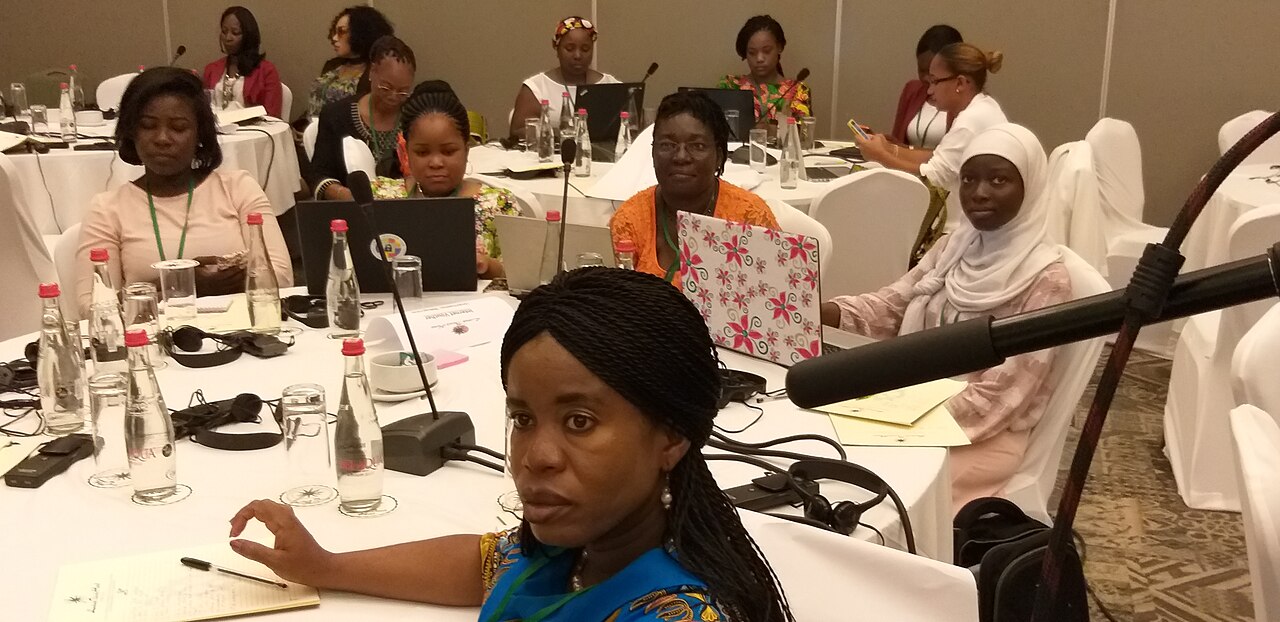
- A study circle is a small group of 7 to 15 people who meet several times to learn, talk and often act together, guided by a facilitator rather than an expert.
- The format has deep roots in Swedish adult education and was central to how Wisconsin eco-municipalities introduced The Natural Step to residents.
- Circles work because they build trust and shared norms, which are what actually change neighborhood habits.
- You can start one in the Fox Cities with a handful of neighbors, a reading packet and a living room.
Most of us have sat through a public meeting where a few people talked, most people listened, and nothing much changed afterward. Study circles were designed to fix exactly that problem. Instead of an expert at a podium, you get a small group of neighbors around a table, working through the same material over several weeks, sharing what they know and deciding together what to do next.
Study circles (the original Sustainable Fox Valley initiative also called them Community Circles) were one of the core tools of this project from the start. This article explains what a study circle is, where the idea comes from, why it is unusually good at turning sustainability talk into action, and how you can start one in your own Fox Cities neighborhood this season.
What a study circle is, and what it is not
A study circle is a small, democratic, peer-led learning group. The core features are consistent across most traditions:
- Small size. Most guides recommend roughly 7 to 15 participants, enough for a range of views and small enough that everyone talks.
- Multiple sessions. Circles meet several times, which lets ideas sink in and lets relationships form between meetings.
- Shared materials. Participants read or watch the same short materials before each session, so the conversation starts from common ground.
- A facilitator, not a teacher. The facilitator keeps time, invites quieter voices and keeps the group on track. They do not need to be an expert, and should not act like one.
- Equality of voices. Every participant’s experience counts. A retired engineer and a high school student sit at the same table as equals.
A study circle is not a lecture series, a book club that never acts, or a pressure campaign. It is also not a debate. The goal is to understand an issue together, weigh options honestly and, often, decide on something practical to do.
Where study circles come from
Study circles grew out of popular education movements in Sweden in the late nineteenth and early twentieth centuries, closely tied to the temperance and labor movements. Oscar Olsson is often credited as a leading early champion. The format became a national institution: Sweden is often reported to host around 300,000 study circles a year, a level that has held since the 1970s.
In the United States, the idea drew on homegrown traditions such as the Chautauqua movement and later took a more civic form. In 1989, businessman and philanthropist Paul J. Aicher founded the Study Circles Resource Center to help communities hold structured public dialogue. That organization is now known as Everyday Democracy, and it continues to support community-wide dialogue and action programs.
The Wisconsin connection
Study circles have a special history in Wisconsin’s sustainability movement. When communities such as Washburn, Ashland and Bayfield became eco-municipalities in the mid-2000s, setting up study circles was a common part of the “awareness” stage, the way residents, staff and elected officials were introduced to The Natural Step framework. Sarah James and Torbjörn Lahti’s 2004 book The Natural Step for Communities helped popularize the approach, and Madison-based Sustain Dane developed a study circle guide for the book that is still freely available online.
The original Sustainable Fox Valley initiative drew on that same tradition, inviting households, businesses and municipal staff in the Fox Cities to learn the framework together and apply it locally.
Why study circles work so well for sustainability
Information alone rarely changes behavior. Most people already know that insulation saves energy and that lawn fertilizer can end up in the river. What changes behavior is a mix of trust, social norms, practical know-how and a sense that others are in it with you. Study circles deliver all four.
They make new habits feel normal
When three households on your block have insulated their attics, the fourth one is far more likely to call a contractor. Circles create these visible local examples quickly, and participants hear first-hand what the project actually cost and how it went.
They pool local knowledge
Every neighborhood has someone who knows a good insulation contractor, someone who has kept a compost pile going through a Wisconsin January, and someone who knows who to call at City Hall. A circle surfaces that knowledge in a way no website can.
They connect personal and public action
Circles often start with household topics and naturally move toward shared ones: a stormwater problem on the street, a missing crosswalk on the way to school, a park that could use native plantings. That progression from “my house” to “our neighborhood” is where lasting change happens.
They build relationships that outlast the topic
The people you meet in a circle are the people you will call when a tree comes down in a storm or when a neighbor needs a ride. Social connection is itself a pillar of a resilient community, which is why The Natural Step’s fourth system condition, about people meeting their needs, matters as much as the first three.
How to start a study circle in your Fox Cities neighborhood
You do not need permission, a budget or a title to start a circle. Here is a practical sequence that works for most groups.
- Pick a focus. Choose a topic that matters to your neighbors right now. Good starting topics include home energy before heating season, stormwater and the Fox River in spring, local food in summer, or a general introduction to sustainability using The Natural Step’s four system conditions.
- Find two co-organizers. Organizing alone leads to burnout. Two or three people can split invitations, hosting and facilitation.
- Invite personally. A knock on the door or a direct text works far better than a flyer. Aim for a mix of ages, backgrounds and housing types, including renters. Invite 15 to 20 people to end up with 8 to 12.
- Choose a place and schedule. A living room, a library meeting room, a church hall or a community center all work. Pick a consistent day and time, and agree on the number of sessions up front.
- Prepare short materials. Keep readings to 10 to 20 minutes per session. Mix in local data and stories, such as your own utility bills or a recent article about Lake Winnebago algae blooms.
- Agree on ground rules at session one. Start and end on time, one person talks at a time, everyone gets a chance to speak, disagreement is welcome but personal attacks are not, and personal stories stay in the room.
- Facilitate, then rotate. One person facilitates the first session; after that, consider rotating so more people build the skill.
- End with action. Reserve the final session for deciding what, if anything, the group will do next, and who will do what by when.
A sample six-session sustainability circle
The table below shows one way to structure a six-session series around household and neighborhood sustainability. Adjust it to fit your group’s interests and season.
| Session | Theme | Before the session | Discussion focus |
|---|---|---|---|
| 1 | What does sustainability mean here? | Read a short introduction to sustainability and the four guiding questions | What do we love about this neighborhood? What do we want it to be like in 20 years? |
| 2 | Energy and our homes | Bring 12 months of gas and electric usage, if comfortable | Where does our energy go in a Wisconsin winter? What has worked for people here? |
| 3 | Water, yards and the Fox River | Read about runoff, leaves and phosphorus | How does our street drain? What could we change in our yards? |
| 4 | Food, stuff and waste | Track household trash and food waste for one week | What do we throw away, and why? What could we share or repair? |
| 5 | Getting around | Map your regular trips for a week | Which trips could be walked, biked, combined or shared? What gets in the way? |
| 6 | From talk to action | Review notes from all sessions | What will we do as individuals? What could we do together? Who will lead? |
Facilitation tips that make or break a circle
Ask open questions
“What surprised you in the reading?” invites conversation. “Did you agree with the reading?” invites a yes or no. Prepare three or four open questions per session, and be ready to drop them if the group finds a better thread.
Balance the room
Every group has talkers and listeners. Use go-arounds, where each person speaks briefly in turn, and pair discussions to give quieter people space. Gently redirect anyone who dominates: “Let’s hear from someone who hasn’t spoken yet.”
Welcome disagreement
Not everyone will see sustainability the same way, and that is healthy. A good circle explores why people disagree, often finding shared values (lower bills, healthy kids, a clean river) beneath different opinions.
Keep notes visible
Capture key ideas on a large sheet of paper or whiteboard. Visible notes show people they were heard and make the final action-planning session much easier.
From talk to action: ideas for circle projects
Many circles naturally want to do something together by the final session. Projects that tend to work well for first-time groups include:
- A neighborhood energy challenge. Households track their gas and electric use over a winter and share tips. It is the idea behind the Fox Cities Unplugged Energy Challenge.
- A fall leaf campaign. Keeping leaves out of gutters and storm drains reduces the phosphorus that feeds algae downstream in the Fox River and Green Bay.
- A shared tool library. Ladders, caulk guns, infrared thermometers, garden tools and canning equipment can be shared on a simple sign-out list.
- A rain garden or native planting day. Help one neighbor install a rain garden, then rotate to the next household.
- A speaker or field trip. Invite your county’s UW–Madison Extension office, a local farmer or your municipal public works staff to answer questions.
A lesson worth learning
Not every circle takes off. A Wisconsin Academy of Sciences, Arts and Letters report noted that Natural Step reading circles in Neenah did not succeed the way organizers had hoped. Experience elsewhere suggests circles thrive when the topic is tied to a real, local decision or project, when participants are invited personally, and when there is a clear end point. Circles that feel like homework with no purpose tend to fade.
Next steps
- Learn more about the approach on our Study Circles page.
- Get everything you need in one box with the Study Circle Starter Kit, which includes a facilitator guide and eight participant workbooks.
- Want help or company? Visit our volunteer page or get in touch and tell us about the circle you are planning.
Get the starter kit About study circles
Frequently asked questions
How many people should be in a study circle?
Most guides recommend roughly 7 to 15 people. Fewer than six and the conversation can stall if someone misses a session; more than 15 and quieter participants tend to drop out of the discussion. If more people want in, start a second circle.
Does the facilitator need to be an expert on sustainability?
No. A study circle facilitator guides the conversation, keeps time and makes sure everyone is heard. The reading materials and the group’s own experience supply the content. In fact, facilitators who lecture tend to shut down discussion.
How long does a study circle run?
A common format is four to eight sessions of about 90 minutes to two hours, meeting weekly or every other week. Shorter series work well for a single topic, while longer series leave room to plan and launch a group project.
Where can we meet in the Fox Cities?
Living rooms work well for small groups. Public libraries, churches, community centers and coffee shops with meeting rooms are other good options. Pick a place that is accessible, quiet enough to talk and easy to reach for everyone in the group.
What if our circle wants to do a project but we have no budget?
Start with projects that need time more than money: a leaf cleanup to keep phosphorus out of storm drains, a tool-sharing list, a group bulk order of weatherstripping, or a neighborhood energy challenge. Small early wins build the trust and momentum needed for bigger projects.