Key takeaways
- The Fox Valley’s largest farmers markets, in Appleton, Oshkosh and Neenah, run on Saturday mornings from late spring into October.
- A CSA (community supported agriculture) share gives you a weekly box of produce straight from a farm in exchange for paying up front.
- Eating with the seasons, from May asparagus to October squash, is the simplest way to eat local and usually the cheapest.
- Local eating continues through winter with storage crops, winter markets, preserving and Wisconsin staples like cheese and cranberries.
- Several local markets accept FoodShare benefits, and some offer matching programs that stretch food dollars.
Northeast Wisconsin is farm country. Drive fifteen minutes in any direction from College Avenue in Appleton or Main Street in Oshkosh and you are among dairy farms, vegetable fields, orchards and pastures. Yet most of what lands on our plates still travels a long way through a long supply chain. Eating local is not about purity. It is about shifting a share of your food dollars to farmers you can meet, eating produce at its peak, and building a regional food system that is more resilient when distant supply chains wobble.
This guide covers the Fox Valley’s main farmers markets, how to choose a CSA, what is in season when, and how to keep eating local through a Wisconsin winter, all on a realistic budget.
Why eat local in the Fox Valley?
Flavor and freshness
A tomato picked ripe on a Friday and sold Saturday morning tastes nothing like one picked green for a cross-country truck ride. Local sweet corn, strawberries and greens are at their best within a day or two of harvest.
A stronger local economy
When you buy directly from a farmer, a much larger share of your dollar reaches the people who grew the food. Small and mid-sized farms near the Fox Cities depend on direct sales at markets, farm stands and CSAs to stay viable.
An honest note on the environment
“Food miles” get a lot of attention, but for most foods, transportation is a smaller part of the environmental footprint than how the food is produced. Eating local helps most when it goes along with eating more seasonal produce, wasting less food and supporting farms that care for their soil and water. In a watershed like ours, where farm runoff affects the Fox River and Lake Winnebago, getting to know growers and how they farm is one of the most valuable parts of eating local.
Fox Valley farmers markets at a glance
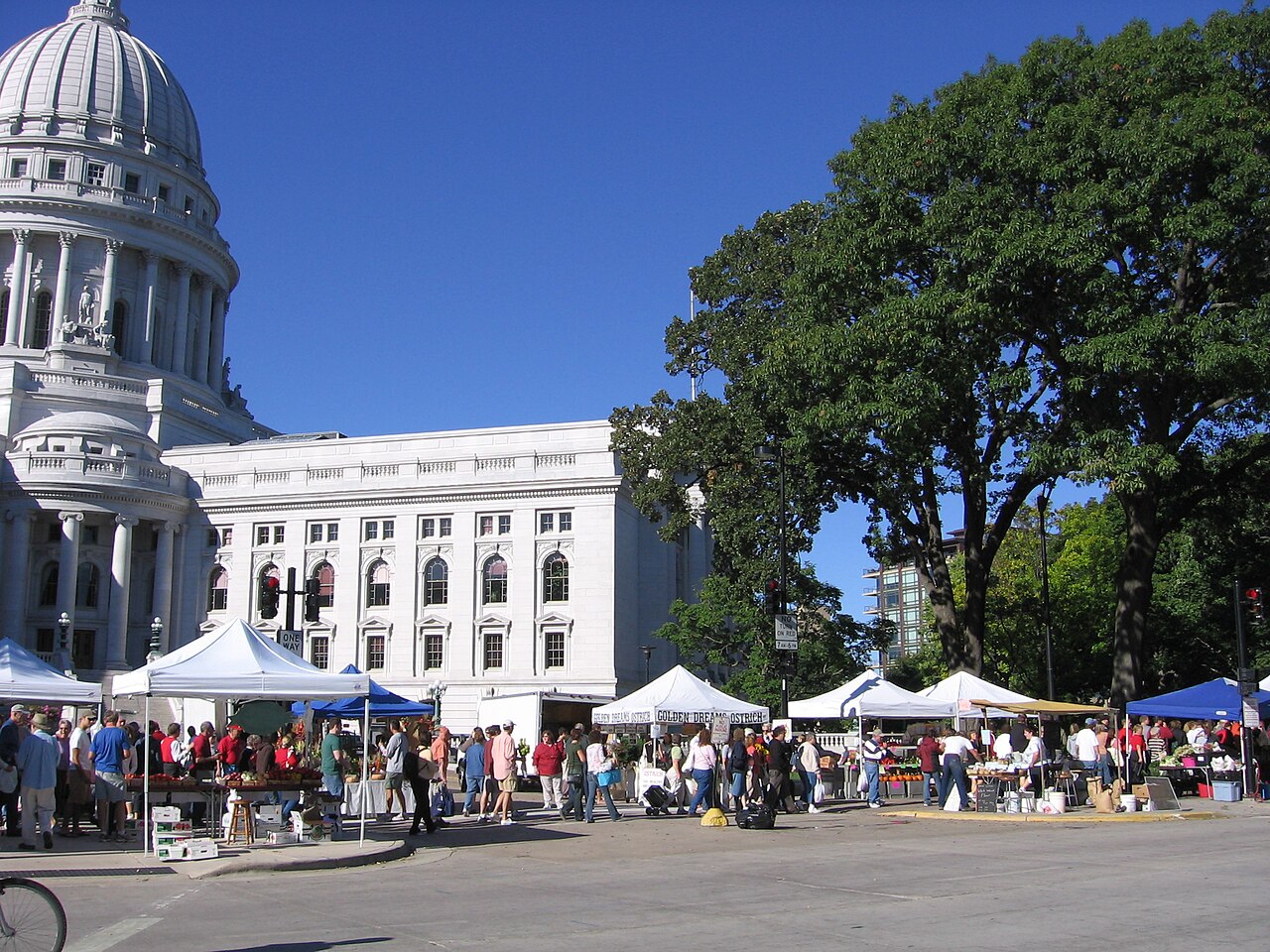
The three largest markets in the immediate Fox Cities area all run on Saturday mornings. Here is what their organizers published for the 2026 season. Always confirm on the organizer’s site before you go, because dates, hours and policies change from year to year.
| Market | When (2026 season) | Where | Food assistance |
|---|---|---|---|
| Downtown Appleton Farm Market | Saturdays, 8 a.m. to 12:30 p.m., June 6 to Oct. 17 | College Avenue, downtown Appleton | EBT/FoodShare accepted via market tokens at the information booth |
| Oshkosh Farmers Market | Saturdays, May 30 to Oct. 31 (no market July 4 weekend) | Main Street, downtown Oshkosh | SNAP accepted; Match-20 program matches up to $20 per market day |
| Future Neenah Farmers Market | Saturdays, 8 a.m. to noon, June 13 to Oct. 10 | Shattuck Park, Neenah | FoodShare accepted; WIC Farmers Market Nutrition Program vendors present |
The Appleton market is one of the largest in the region, with more than 100 vendors selling produce, meat, cheese, baked goods and flowers, plus music and kids’ activities. Note that the City of Appleton does not allow pets at special events, including the market. Oshkosh reported 193 approved vendors for 2026. Neenah’s market is smaller and relaxed, with live music in Shattuck Park and a loyalty card that rewards repeat visits.
Many other communities around the valley, from Menasha and Kaukauna to De Pere and Fond du Lac, run their own markets, some on weekday evenings. Your city or village website and the farmers market listings on Travel Wisconsin are the best places to find current details.
Farmers market checklist
- Bring reusable bags, a cooler with ice packs in summer and an egg carton to return.
- Carry small bills; many vendors also take cards, but not all.
- Arrive early for the best selection, or late for the occasional end-of-day deal.
- Do a lap before buying to compare quality and prices.
- Ask questions: How was this grown? When was it picked? Do you offer a CSA?
- Buy “seconds,” the slightly blemished produce many farmers sell cheaply for canning and sauce.
- Plan meals around what you bought that same weekend so nothing goes to waste.
How CSAs work
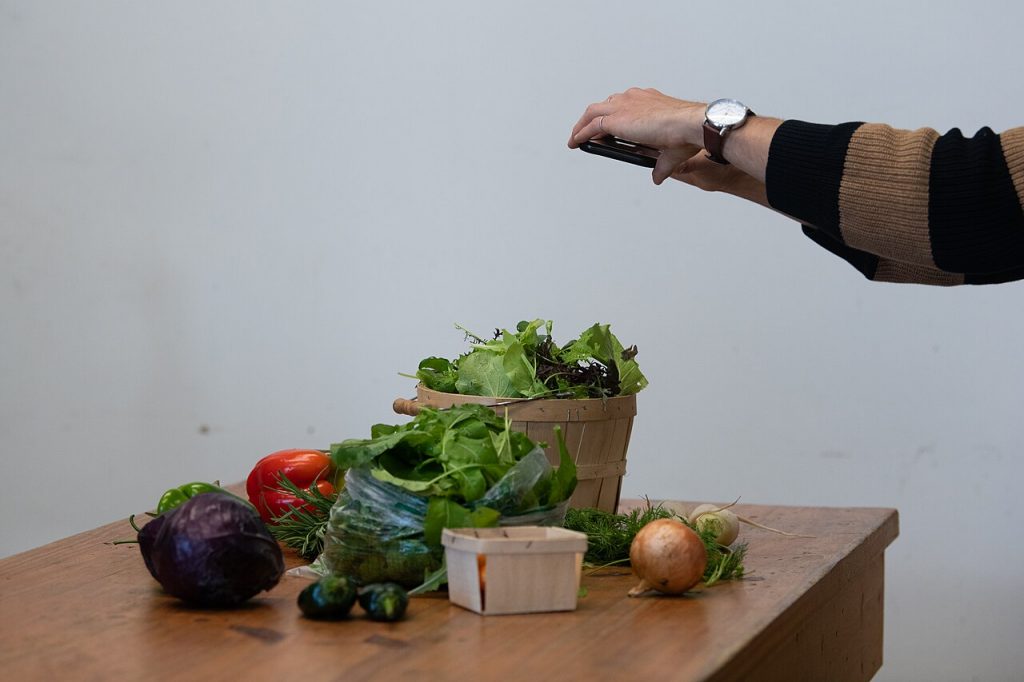
In community supported agriculture, you buy a share of a farm’s harvest before or early in the growing season. In return you get a box of whatever is ready, usually weekly, from early summer into fall. Farmers get cash when they need it most, for seed, labor and equipment in spring, and you get produce often picked within a day or two of pickup.
Common CSA formats
- Full share: Enough vegetables for a household that cooks most nights.
- Half or every-other-week share: Good for couples, small households or busy cooks.
- Market-style or credit shares: You prepay and then choose what you want at the farm stand or market booth.
- Add-ons: Some farms offer eggs, fruit, flowers, meat or bread alongside vegetables.
- Winter or storage shares: A few deliveries of root vegetables, squash and greens after the main season.
The shared-risk deal
A CSA is a partnership, not a store. In a great year you may get more zucchini than you know what to do with. After a hailstorm or a cold, wet June, boxes may be lighter. That shared risk is part of what makes CSAs valuable to small farms.
Choosing a CSA: questions to ask
- Where and when is pickup? A great farm with a pickup site across town on a weekday afternoon may not fit your life. Some farms deliver or offer several drop sites around the Fox Cities.
- How long is the season? Ask how many weeks the share runs and the typical start and end dates.
- What does a typical box contain? Ask for sample box lists from June, August and October, and whether you can swap items you dislike.
- How much does it cost and how do I pay? Prices vary widely by farm and share size. Many farms offer installment plans, and some accept SNAP benefits or offer sliding-scale shares.
- How is the food grown? Certified organic, transitioning or using their own practices? Ask about soil care, pest control and how they protect nearby water.
- What happens if I am on vacation? Many farms let a friend pick up your box or allow you to skip a week.
- Can I visit the farm? Farm days and volunteer opportunities are a great way to see where your food comes from.
To find farms, start by talking with vendors at your farmers market, since many CSA farms sell there too. The USDA’s Local Food Directories also include a searchable CSA directory.
A seasonal eating calendar for northeast Wisconsin
Our growing season is short and intense. Exact timing shifts with each year’s weather, but this calendar shows roughly when local foods peak around the Fox Valley.
| Month | What is in season locally |
|---|---|
| May | Asparagus, rhubarb, spinach, lettuce, radishes, green onions, hoophouse greens |
| June | Strawberries, peas, lettuce, kale, garlic scapes, the last asparagus |
| July | Raspberries, tart cherries, green beans, zucchini, cucumbers, new potatoes, early sweet corn |
| August | Sweet corn, tomatoes, peppers, melons, eggplant, blueberries, onions |
| September | Apples, tomatoes, potatoes, winter squash, fall raspberries, cabbage, carrots |
| October | Apples, pumpkins, winter squash, cranberries, Brussels sprouts, kale, root vegetables |
| November to April | Storage crops (potatoes, onions, carrots, squash, apples), cheese, meat, eggs, honey, maple syrup in early spring |
Wisconsin staples help fill the gaps all year. The state has led the nation in cranberry production for more than three decades, and Wisconsin cheese, maple syrup, honey, grass-fed meat and eggs are available year-round from local producers.
Eating local through the winter
Shop winter markets
The Oshkosh Farmers Market runs a winter market in partnership with the Oshkosh Arena and Oshkosh Convention Center, and Downtown Appleton has organized indoor and winter pop-up markets in past seasons. Expect storage vegetables, meat, eggs, cheese, baked goods, honey and crafts. Check organizers’ websites for current dates.
Stock up in fall
October is the time to buy storage crops by the bushel. Potatoes, onions, carrots, beets, winter squash and apples can last for months in the right conditions: cool and dark for potatoes, cool and dry for onions and squash, cold and humid for carrots and apples. A basement corner or an unheated (but above-freezing) space works well.
Preserve the summer
Freezing is the easiest method: blanch beans and greens, freeze berries on a tray before bagging, and freeze sweet corn off the cob. If you can tomatoes, pickles or jams, use tested recipes. UW-Madison Extension’s food preservation resources are the go-to source for safe, research-based methods.
Buy meat in bulk
Many area farms sell beef and pork by the quarter or half, processed at a local meat locker. You will need freezer space, but the per-pound price can beat retail, and you know exactly where your meat came from.
Eating local on a budget
- Use FoodShare at markets. Appleton converts EBT into market tokens at its information booth, Neenah accepts FoodShare, and Oshkosh’s Match-20 program doubles SNAP dollars up to $20 per market day for eligible foods.
- Ask about WIC benefits. Some vendors participate in the WIC Farmers Market Nutrition Program.
- Buy in season and in bulk. A half-bushel of tomatoes or apples at peak season costs far less per pound than buying a few at a time.
- Grow some of your own. Even a few containers of herbs, salad greens and cherry tomatoes cut grocery bills in summer.
- Waste less. Eating local saves nothing if half of it wilts in the crisper. Plan meals, store produce properly and compost the scraps.
Next steps
- Cut waste in your kitchen with Zero-Waste at Home: 25 Habits That Actually Stick.
- See how food fits into your overall impact with our footprint calculator.
- Start a conversation about local food on your block through a study circle.
Frequently asked questions
When are Fox Valley farmers markets open?
The big outdoor markets run on Saturday mornings from late spring into October. For 2026, organizers scheduled the Downtown Appleton Farm Market from June 6 to October 17, the Oshkosh Farmers Market from May 30 to October 31, and the Future Neenah Farmers Market from June 13 to October 10. Dates and hours change each year, so check each organizer’s website.
Can I use FoodShare (SNAP) at Fox Valley farmers markets?
Yes, at many of them. The Downtown Appleton Farm Market converts EBT purchases into market tokens at its information booth, the Neenah market accepts FoodShare, and the Oshkosh market’s Match-20 program gives SNAP shoppers up to $20 in matching tokens per market day for eligible foods. Ask at the market’s information booth for current rules.
What is a CSA and how does it work?
CSA stands for community supported agriculture. You pay a farm before or early in the season and receive a share of the harvest, usually weekly, through the growing season. You share in the farm’s good years and bad ones, and you get very fresh produce and a direct relationship with your grower.
How can I find a CSA near Appleton or Oshkosh?
Ask vendors at your farmers market, since many CSA farms sell there too, and search the USDA’s Local Food Directories, which include a CSA directory. Compare pickup locations, share sizes, season length and payment options before you sign up.
Is it possible to eat local in a Wisconsin winter?
Yes. Winter markets, including the Oshkosh winter market, offer storage vegetables, meat, eggs, cheese, honey and baked goods. You can also stock up on storage crops in fall, freeze or can summer produce using tested methods from UW-Madison Extension, and buy Wisconsin staples like cranberries, cheese and maple syrup year-round.